The House That Was an Upgrade Is Now Just the House
Downsizing sounds simple until it means a new school district, a longer commute, and unwinding a retirement plan built around staying put.
The Long Middle of Dual-Income Stability
Nearly half of married-couple households now depend on two incomes just to hold their current financial position — not to get ahead of it.
Why the “Switch Jobs for a Raise” Math Doesn’t Always Hold Up
Switching jobs and staying put can both produce a “raise” on paper — but they rarely mean the same thing once the real first-year numbers are added up.
Your Job Is Stable. Your Budget Still Isn’t.
Long tenure builds a fully vested 401(k) and a paid-off car, yet the same stability can quietly narrow how much room a household actually has to maneuver.
Why Financial Stability Doesn’t Always Mean Financial Flexibility
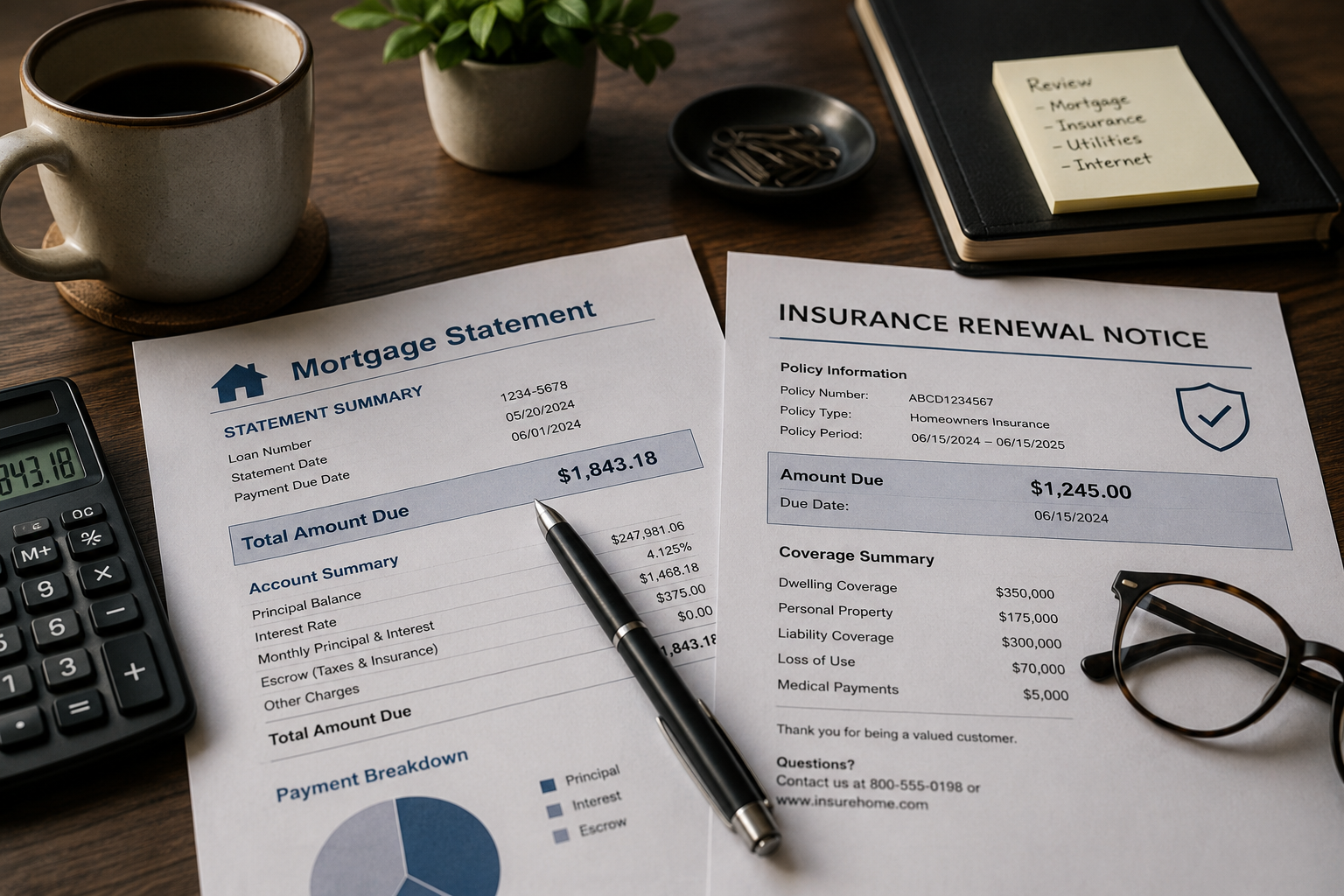
The mortgage clears review, the insurance is paid, and the 401(k) contribution goes out on schedule — yet somehow there’s still almost nothing left over each month.
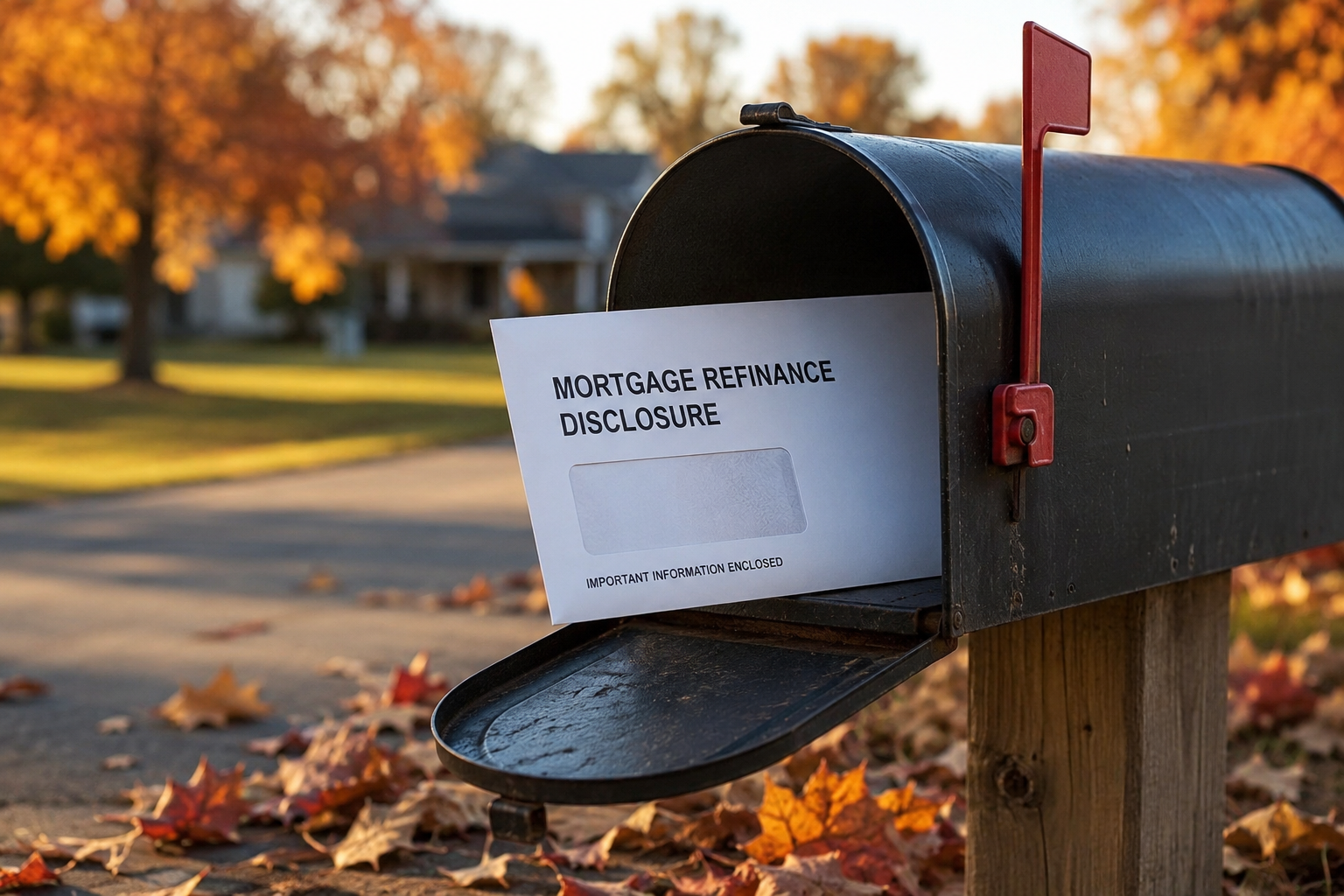
When a Mortgage Refinance Resets Your Loan Term Without You Noticing
Their monthly payment dropped. Their payoff date, on the other hand, quietly moved two decades further away than they realized.
When Income Stops Growing But Expenses Continue
Somewhere between the raise and the checking account, rising insurance and property tax bills get there first.

When a Bigger Home Starts Creating Financial Pressure
The mortgage payment never changed after the kids moved out, even though almost everything else about the house did.
When Financial Stability Limits Start Quietly Holding You Still
The job that once felt like security can quietly become the only thing holding a household’s finances together — and most people don’t notice until leaving starts to feel impossible.
Why the Financial Stability Trap Hurts Middle-Income Households
The house was quiet, the mortgage was manageable, the job was steady — and that stability had already started narrowing the household’s room to move.