Category: Income & Career

How Salary Billing Cycles Create Gaps That Feel Like Income Plateaus
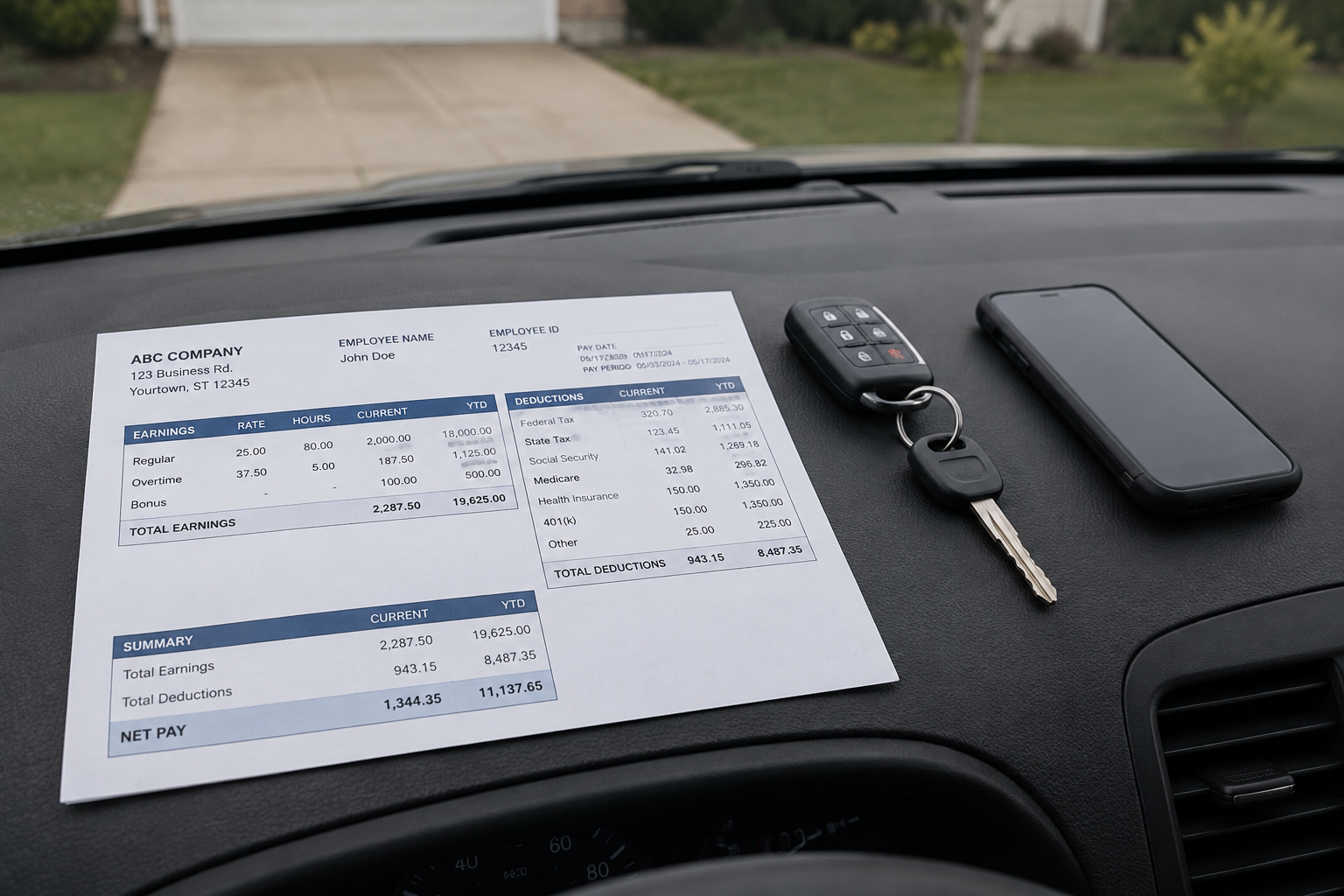
Your raise was confirmed, your offer letter updated — and yet your take-home pay barely moved. The answer isn’t your employer or the tax code alone; it’s the timing structure nobody explains to you.
The Hidden Costs That Make Experienced Employees Expensive — and What That Means for Your Job Security
Thirty years of loyalty built a compensation package that, in a restructuring, becomes the exact reason a role gets cut.
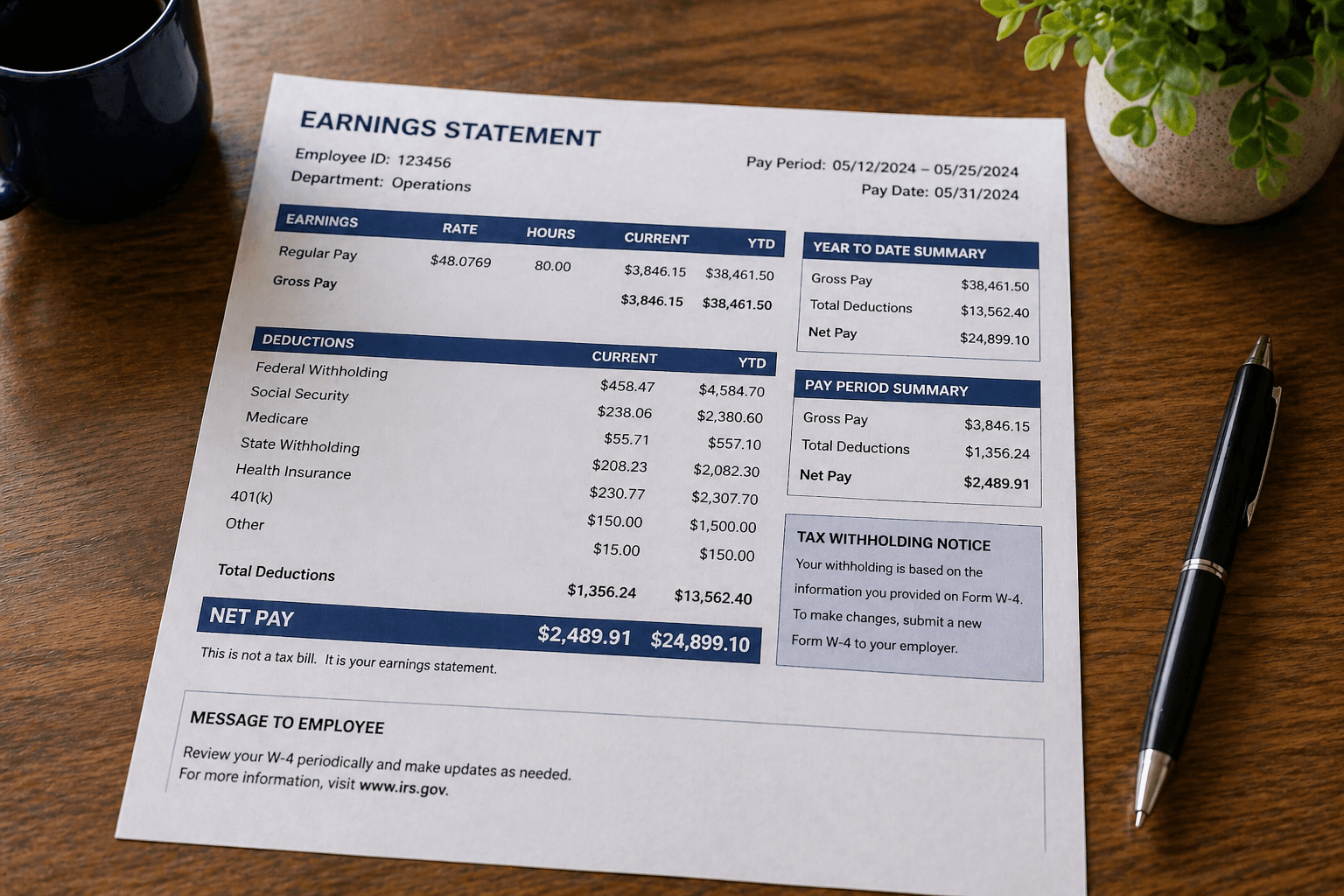
Why My Paycheck Feels Smaller Even After a Raise W-4 Withholding and Benefit Deductions Explained
The raise looked right on paper, but the paycheck told a different story. The gap usually comes down to how deductions quietly expand.
Why a Late-Career Salary Plateau Can’t Keep Up With Rising Insurance, Tax, and Healthcare Costs
few small bill increases don’t seem like much—until they start stacking against an income that hasn’t moved in years.
When Income Stops Growing but Expenses Don’t: Late-Career Financial Pressure
Six-figure earners aren’t immune to a shrinking budget once healthcare, college costs, and aging parents all draw from the same paycheck.
Why Dual Income Households Still Face Paycheck Shortfalls Despite Stable Salaries
By the second week, the numbers don’t look wrong—but the balance feels tighter than it should.
Why Annual Raises No Longer Cover Rising Living Costs for W-2 Workers
The raise shows up on paper, but a few billing cycles later, it’s already been absorbed into everything else that quietly moved.
Wage Gains Continue, Yet Take-Home Pay Shrinks as Deductions Expand
The offer letter says one number. The direct deposit says another — and the gap between them keeps quietly widening for W-2 workers.
Why the Mid Career Salary Slowdown Isn’t a Performance Problem
Ten years in, the raises get smaller and the promotions get rarer — and it usually has nothing to do with how well you’re doing your job.
When Annual Raises Become Smaller Over Time
Annual salary raises often continue during mid-career, but the size of those increases gradually becomes smaller as career progression stabilizes.