Category: Debt Layering & Payment Lock-In

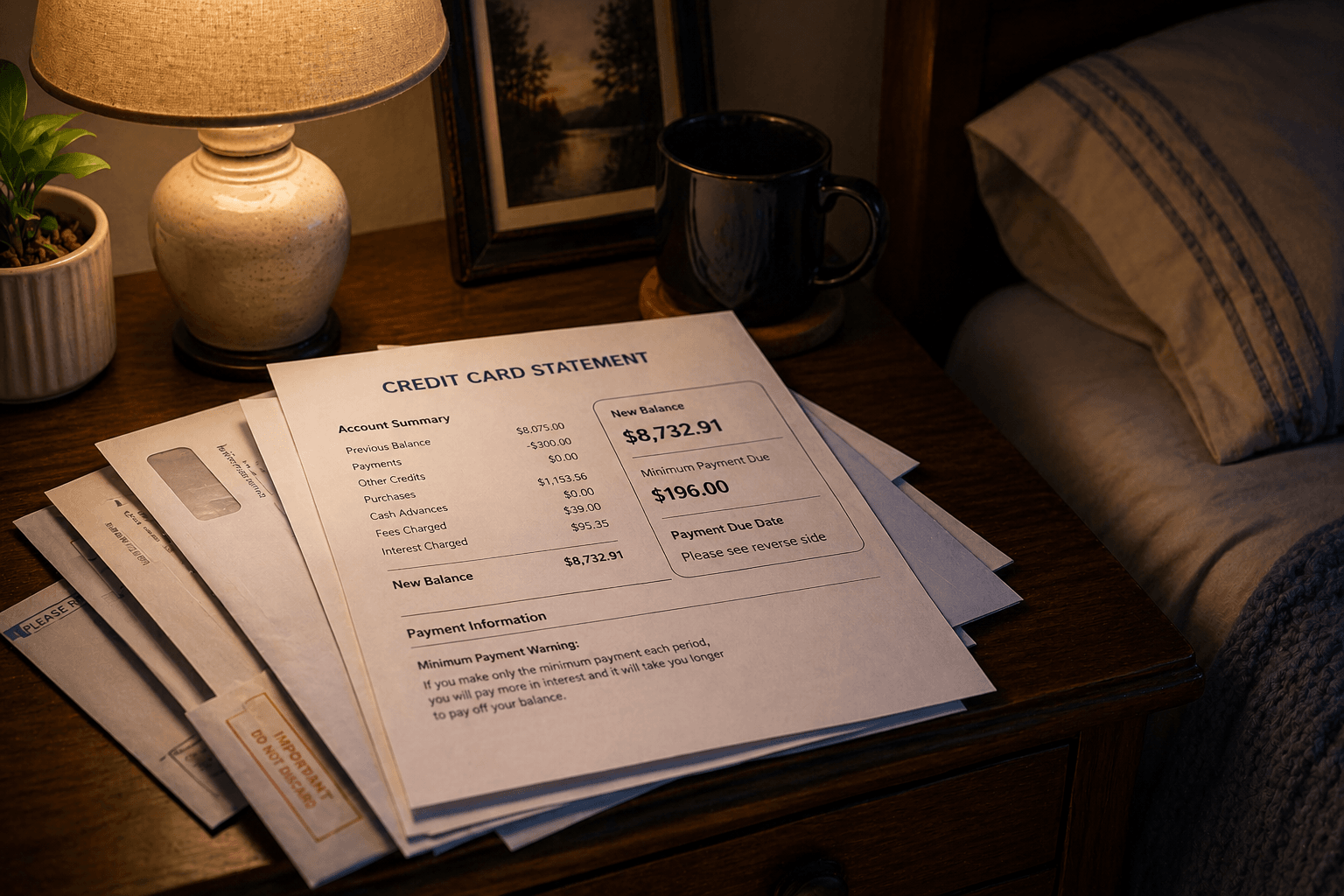
Why My Credit Card Balance Keeps Growing Even Though I Pay More Than the Minimum Each Month
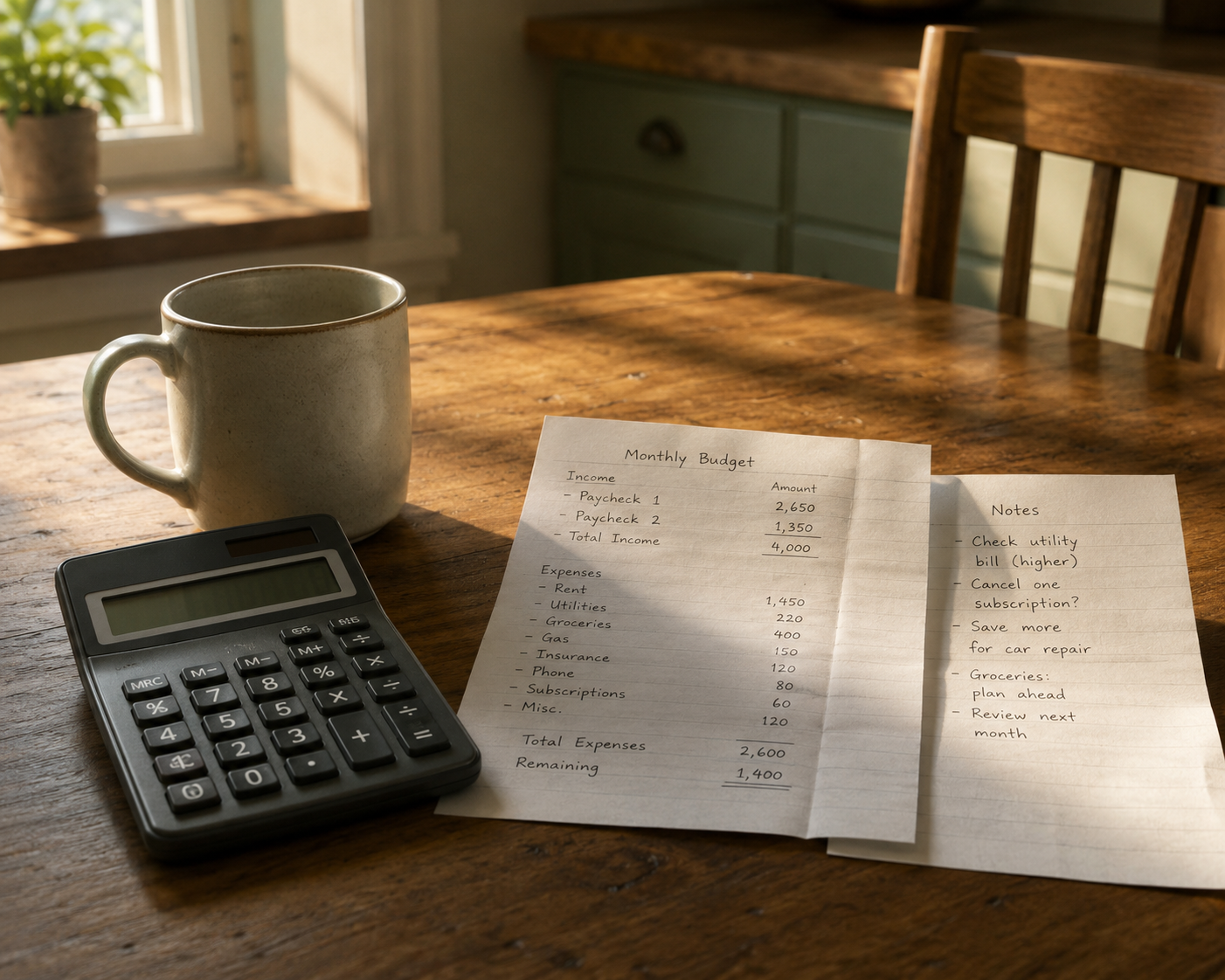
You’re paying more every month, yet the balance doesn’t move. That’s usually not a spending issue—it’s a cash flow problem.
Why U.S. Bonuses Feel Smaller Than Expected
Many U.S. bonuses appear significant upfront, but after withholding, benefit deductions, and payroll adjustments, the actual amount received is often noticeably lower.
Why U.S. Paychecks Feel Smaller Despite Stable Salaries
U.S. salaries may look stable, but rising taxes, payroll deductions, and benefit costs are quietly reducing real take-home pay for many households.
The Long Middle of Dual-Income Stability
In many American households, the second income no longer signals acceleration. It signals stabilization. There was a time when a dual-income household implied upward mobility. Two W-2 salaries meant faster mortgage payoff, earlier retirement contributions, larger brokerage balances, and optional spending room. Today, in much of the country, two incomes function differently. They hold the…
The Quiet Cost of Staying in the Same Job for a Decade
There is a particular kind of stability that develops after ten years in the same company. The systems are familiar. The health insurance portal looks the same every November. The 401(k) provider hasn’t changed. Direct deposit arrives on a predictable rhythm. Performance reviews follow a known script. The parking garage access card still works. From…
The Cost of Staying Put in a Stable Career
There is a particular kind of stability that defines much of American professional life. It is not dramatic. It does not collapse under headlines. It does not produce visible crisis. It simply continues. A salaried role. Predictable W-2 income. Annual merit increases that adjust but rarely transform. Employer-sponsored health insurance. A 401(k) match. Paid time…

When Lower Payments Quietly Extend the Mortgage Timeline
The refinance felt responsible at the time. Rates had fallen. The headlines said homeowners were locking in historic lows. Neighbors were talking about it over fences and in group texts. The paperwork arrived neatly packaged with projected savings circled in bold: lower monthly payment, improved cash flow, long-term stability. For a couple in their early…
When a Bigger Home Starts Creating Financial Pressure
A bigger home often feels like progress, but over time it can quietly increase financial pressure. As fixed costs rise and flexibility declines, households may find stability turning into long-term constraint.
When Financial Stability Limits Start Quietly Holding You Still
The job pays the bills, the benefits are solid, and nothing is visibly wrong — yet somewhere around year ten, the financial structure built around steady employment starts narrowing every decision that follows.

Why Financial Stability Is Quietly Shrinking Your Financial Future
Millions of American households look financially stable from the outside — steady job, manageable mortgage, no dramatic money stories. What the bank statement doesn’t show is the margin quietly disappearing.