When 401(k) Contribution Rates Remain Unchanged for Years
Wealth Power Editorial Team documents long-term financial patterns affecting working professionals and middle-income households in the United States. The publication focuses on structural financial realities including income growth cycles, retirement contributions, housing costs, and evolving household expenses.
Why Retirement Contributions Stall in Mid-Career
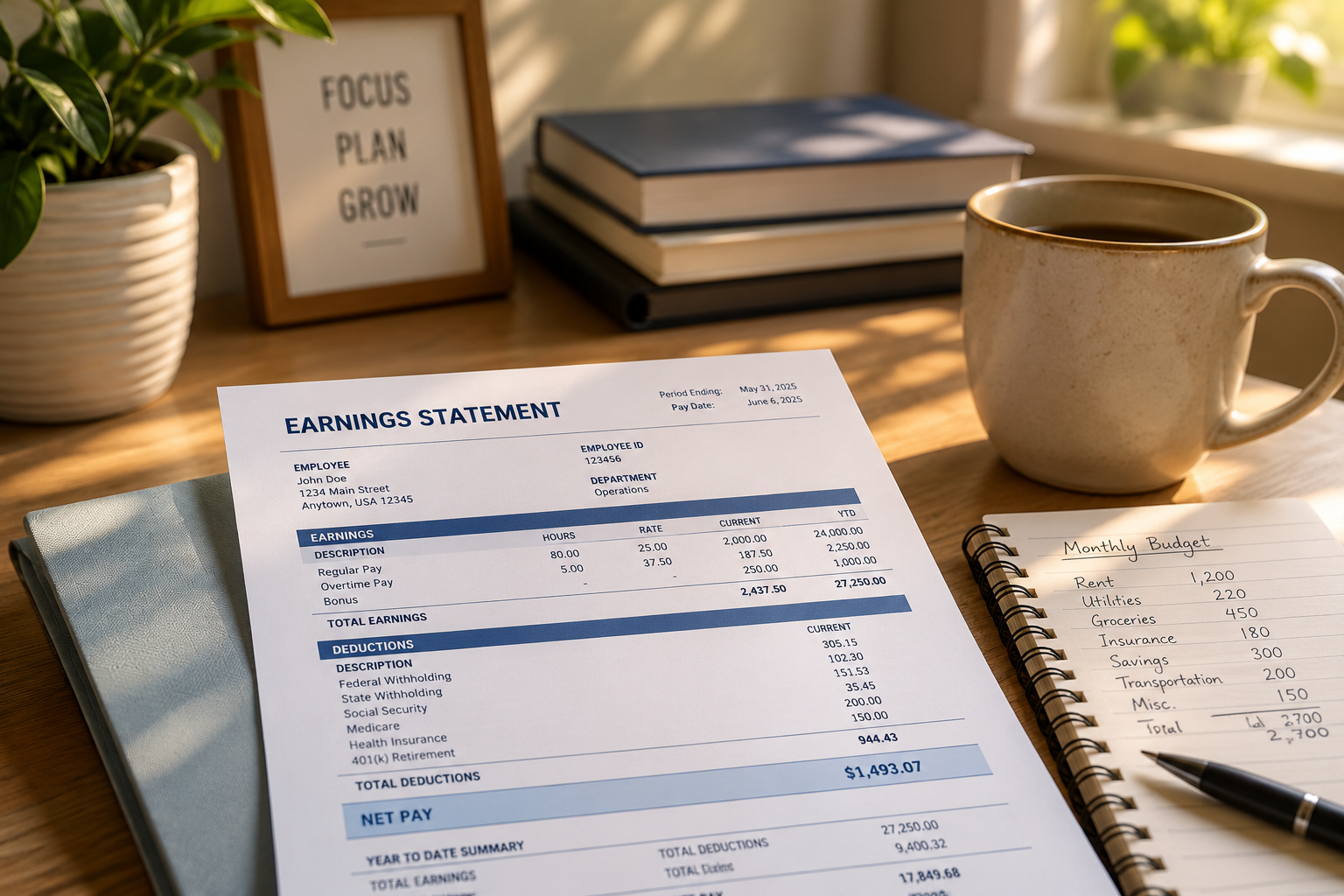
The percentage chosen at a first job often survives untouched through a mortgage, two car loans, and a decade of raises that never reached it.
Why the Mid Career Salary Slowdown Isn’t a Performance Problem
Ten years in, the raises get smaller and the promotions get rarer — and it usually has nothing to do with how well you’re doing your job.
When Annual Raises Become Smaller Over Time
Annual salary raises often continue during mid-career, but the size of those increases gradually becomes smaller as career progression stabilizes.
When Salary Growth Gradually Slows in Mid-Career
The paycheck keeps growing, but the financial breathing room that once came with every raise has quietly disappeared — and most mid-career households don’t recognize the pattern until it’s been running for years.
Property Taxes in Stable Neighborhoods Keep Quietly Rising
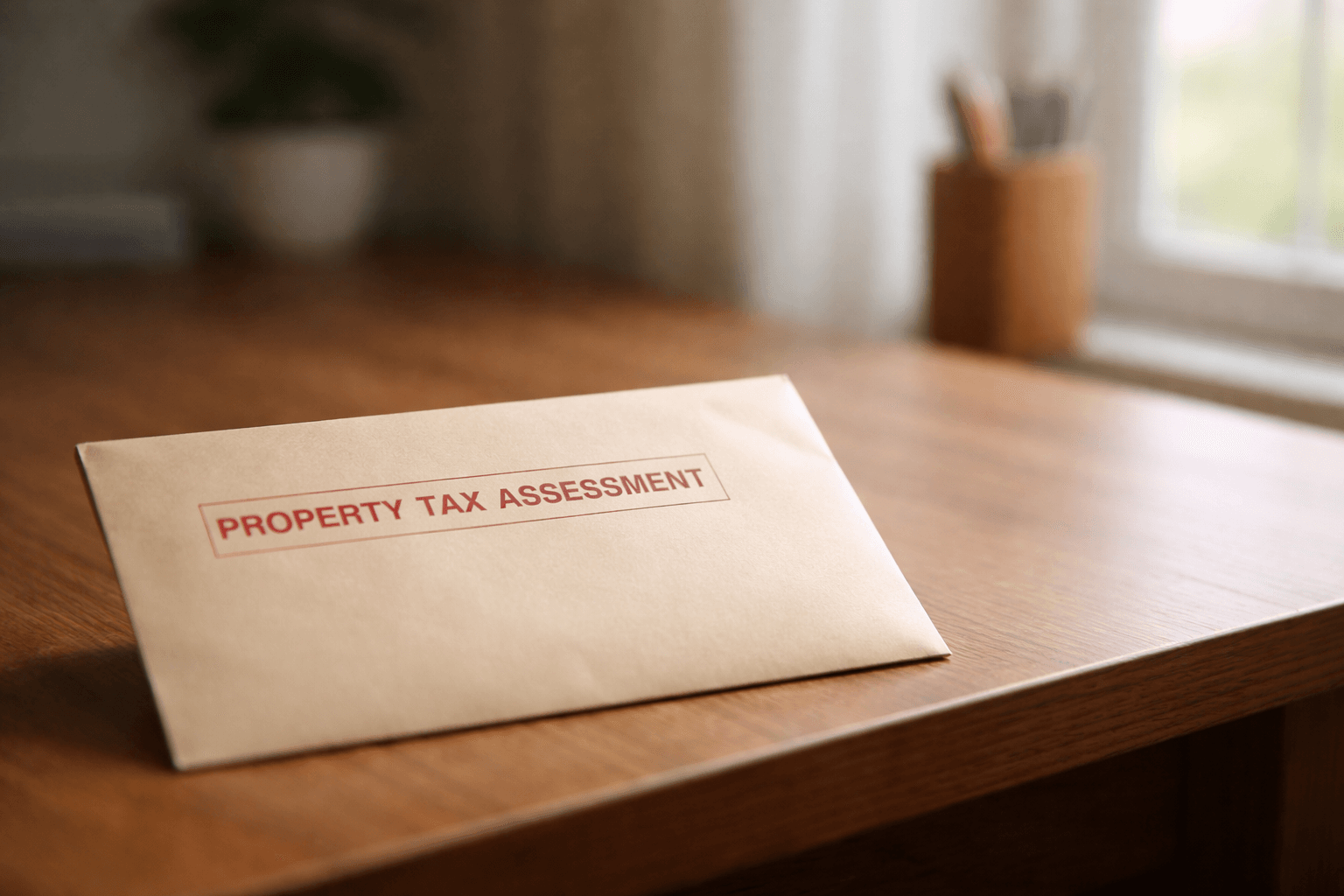
Property taxes in stable neighborhoods often rise gradually over time. Even when mortgage payments remain predictable, reassessments and municipal budgets quietly reshape long-term housing costs for many homeowners.
Property Tax and Insurance Bills Keep Growing Long After the Mortgage Is Settled
Fourteen years of owning the same home, and the mortgage payment never moved once. Everything layered on top of it did.
When Fixed Expenses Quietly Expand Over Time
Insurance renews a little higher every year. Property taxes creep up on their own schedule. None of it feels dramatic — until the monthly total does.
Why Homeowners Insurance Premiums Keep Climbing — And Almost Never Fall
A clean claims history and an unchanged house don’t stop the renewal notice from climbing again — the pricing model behind it has little to do with either.
When Property Assessments Rise in Stable Neighborhoods
Property assessments in stable neighborhoods often rise gradually, increasing long-term housing costs even when income and daily life remain steady.